Battery Storage in California: 5 Reasons It Is Now Mandatory Under NEM 3.0
Battery storage in California has officially shifted from a luxury add-on to a fundamental necessity. If you are a homeowner in Vacaville, Napa, or anywhere across the Golden State, the rules of the energy game changed on April 15, 2023. With the implementation of the Net Billing Tariff (NEM 3.0), the “grid-as-a-battery” model is dead.
At Ambrose Solar, we are seeing a massive surge in homeowners asking the same question: Is solar still worth it? The answer is a resounding yes, but only if you have a plan for your power. Here are 5 proven reasons why battery storage in California is now a mandatory part of any high-performing solar system.
1. The 75% Drop in Export Rates
Under the old NEM 2.0 rules, utilities paid you nearly a 1-to-1 rate for the extra energy your panels sent back to the grid. Under NEM 3.0, those export rates have been slashed by roughly 75%. Instead of getting retail value, you are now receiving “wholesale” prices—often as low as $0.05 per kWh.
Without battery storage in California, your extra daytime energy is essentially being sold for pennies, only for you to buy it back at full price ($0.40–$0.60 per kWh) once the sun goes down. A battery allows you to keep that power for yourself, ensuring you never “sell low” and “buy high” again.
2. Beating the Evening “Peak” Rates
California utilities use Time-of-Use (TOU) pricing, which means electricity is most expensive when demand is highest—typically between 4:00 PM and 9:00 PM. Coincidentally, this is exactly when your solar panels stop producing for the day.
By utilizing battery storage in California, you can “load shift.” Your system stores excess solar energy during the afternoon and automatically discharges it during those expensive evening hours. This allows you to stay “off the grid” during the most expensive window of the day, protecting your monthly budget from seasonal spikes.
3. Shortening Your Solar Payback Period
A common misconception is that adding a battery makes solar “too expensive.” In reality, battery storage in California can actually shorten your return on investment (ROI).
-
Solar Only (NEM 3.0): Because you are exporting energy at such low rates, it can take 12–15 years to break even on your investment.
-
Solar + Battery: By self-consuming your own power and avoiding the $0.60/kWh peak rates, most homeowners reach their “payback point” in just 6–8 years.
4. Resilience Against Grid Instability
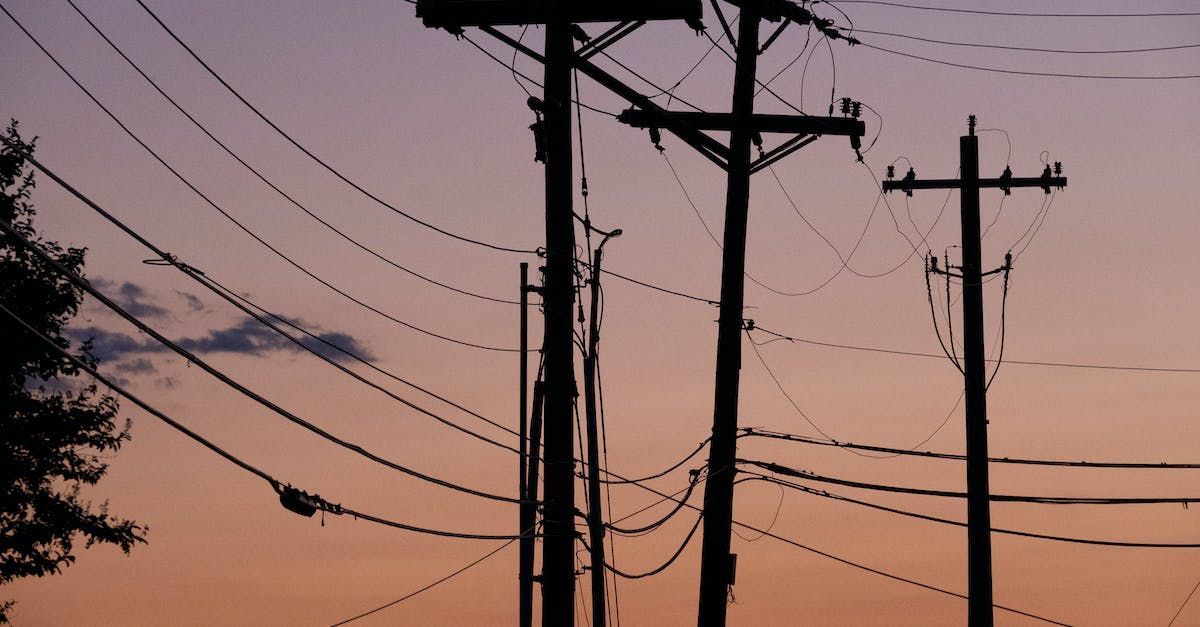
From Public Safety Power Shutoffs (PSPS) during wildfire season to aging infrastructure issues, the California grid is under immense stress. Standard solar-only systems are required by law to shut down during a blackout to prevent “back-feeding” the lines while technicians work.
However, when you have battery storage in California, your home can “island” itself. Systems like the Tesla Powerwall or Enphase IQ Battery can detect an outage instantly and switch your home to battery power. This ensures your refrigerator stays cold, your Wi-Fi stays on, and your family stays safe, regardless of what is happening with PG&E.
5. Federal Tax Incentives (ITC)
The 2022 Inflation Reduction Act significantly boosted the financial case for storage. You can currently claim a 30% Federal Tax Credit on the entire cost of your battery installation. This incentive applies whether you are installing a new solar system or adding a battery to an existing one.
When you combine this credit with the daily savings on your utility bill, the “mandatory” nature of battery storage in California becomes a clear-cut financial win.
The Ambrose Solar Advantage: Choosing the Right Battery
Not all batteries are created equal. At Ambrose Solar, we pride ourselves on being local experts who understand the specific needs of Northern California homeowners.
-
Tesla Powerwall: Known for its sleek design and industry-leading software integration.
-
Enphase IQ: A modular system that allows you to start small and expand as your energy needs grow.
-
Customized Sizing: We don’t just sell you a box; we perform a deep dive into your solar permitting and energy history to ensure your battery storage is sized for your actual lifestyle.
Conclusion: Don’t Get Left in the Dark (or the Debt)
NEM 3.0 was designed to incentivize one thing: self-consumption. The era of using the grid as a free battery is over. To make solar work for your wallet in 2026, battery storage in California is the only logical path forward.
Ready to survive and thrive under NEM 3.0? Contact Ambrose Solar today for a free, no-obligation energy audit. Let us show you how to turn the new regulations into your greatest financial advantage.